Get a chance for excited offers - Review us on Trustpilot
0330 088 3383

Menu

Treatments

Available Treatments
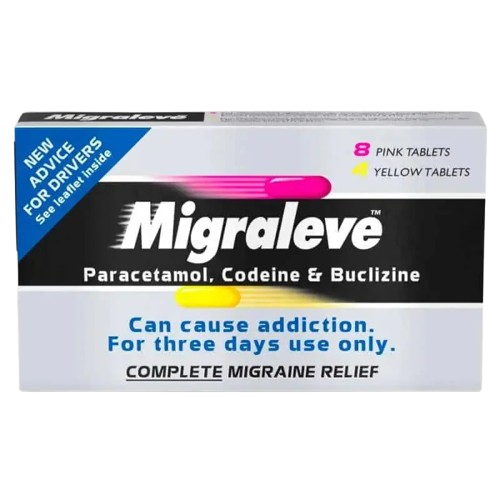
Migraleve
Migraine

Migraleve is a dual-action migraine relief tablet that treats both pain and nausea. It combines paracetamol, codeine, and buclizine for effective symptom control.

Prices start from £5.54 Prices and product information
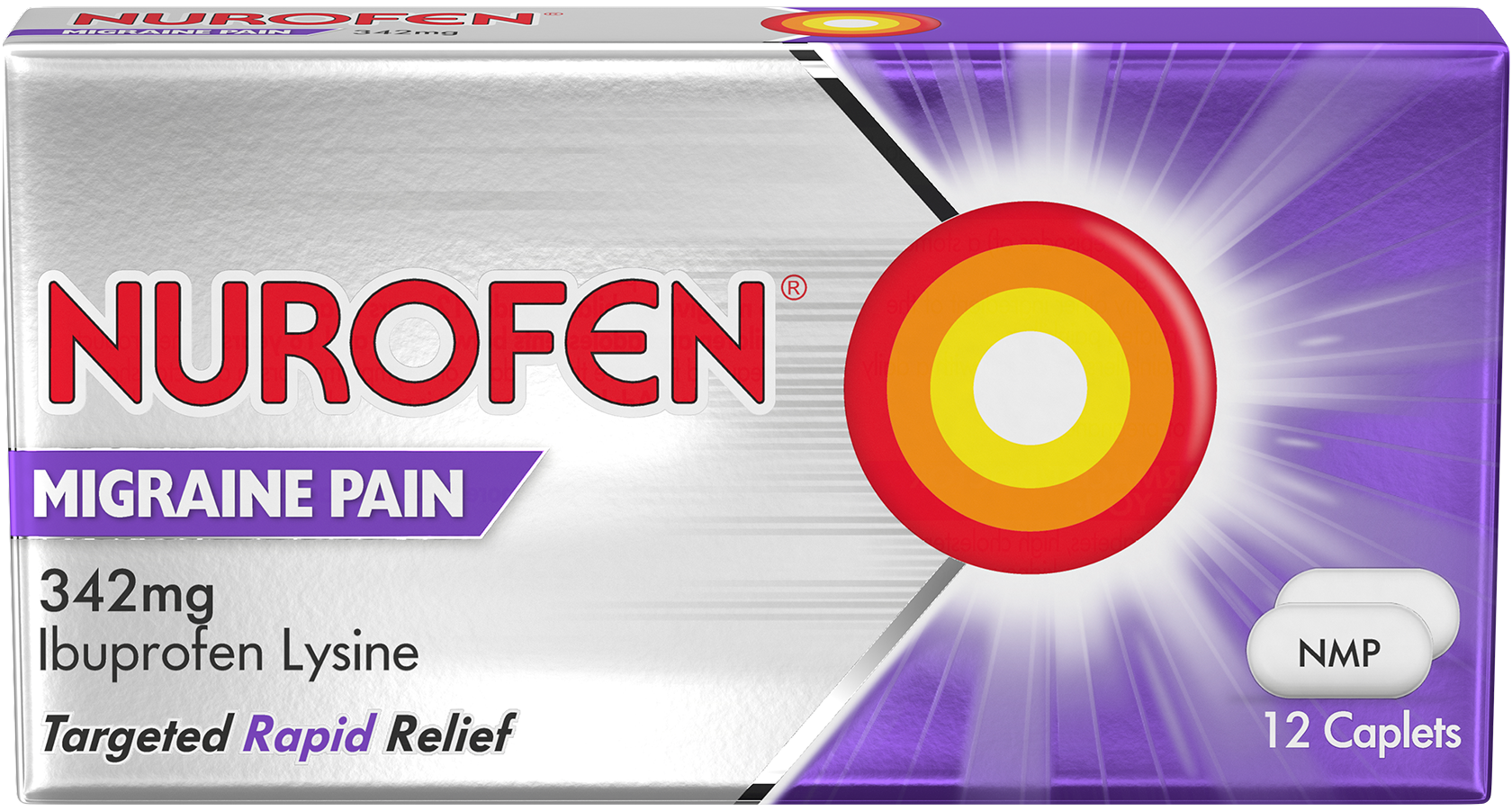
Nurofen Migraine
Migraine

Nurofen Migraine provides fast and effective relief from migraine headaches. It contains ibuprofen lysine, which helps reduce inflammation and pain within 30 minutes.

Prices start from £4.00 Prices and product information

Sumatriptan
Migraine

Sumatriptan is a prescription medication used to treat migraine headaches by relieving pain and associated symptoms quickly. It works by narrowing blood vessels in the brain and blocking pain signals.

Prices start from £14.99 Prices and product information

Migraine

Migraine is a neurological disorder causing recurring, often intense headaches, usually on one side of the head. It may include nausea, sensitivity to light and sound, and sometimes visual disturbances called aura. Migraines can last hours to days and affect daily activities. Triggers include stress, hormones, and certain foods. Treatment involves lifestyle changes, avoiding triggers, and medications to relieve or prevent attacks.

Topics

What is Migraine?
Migraine is a neurological condition characterized by intense, throbbing headaches, often accompanied by nausea, vomiting, and sensitivity to light and sound. Migraine attacks can last from a few hours to several days and can significantly affect daily activities and quality of life.

What causes Migraine?
Migraine is caused by changes in brain activity affecting nerve signals, chemicals, and blood vessels in the brain. Triggers can include stress, hormonal changes, certain foods, sleep disturbances, sensory stimuli, and genetic factors.

How does Migraine work?
Migraine occurs when abnormal brain activity temporarily affects nerve signaling and blood flow in the brain. This leads to inflammation, dilation of blood vessels, and activation of pain pathways, resulting in severe headache and other symptoms such as visual disturbances or aura.

How is Migraine diagnosed?
Migraine is diagnosed based on medical history, reported symptoms, and physical and neurological examinations. Doctors may use imaging tests like MRI or CT scans to rule out other causes of headaches, especially if symptoms are unusual or severe.

What are the treatments for Migraine?
Treatment aims to relieve pain during attacks and reduce the frequency of future migraines. This may include pain-relieving medications, anti-nausea drugs, preventive medications, lifestyle modifications, stress management, and identifying and avoiding triggers.

Are there alternative treatments for Migraine?
Alternative treatments can help manage symptoms and prevent attacks. These may include acupuncture, relaxation techniques, yoga, meditation, essential oils, dietary supplements like magnesium or riboflavin, and maintaining a regular sleep and meal schedule.

What are the side effects of Migraine?
Migraine can cause severe headache, nausea, vomiting, sensitivity to light and sound, visual disturbances, fatigue, and difficulty concentrating. Chronic migraines may also lead to anxiety, depression, and decreased productivity.

Why does Migraine happen?
Migraine happens due to a combination of genetic, environmental, and neurological factors. Triggers such as stress, hormonal changes, certain foods, and sensory stimuli can activate brain pathways that cause migraine attacks.