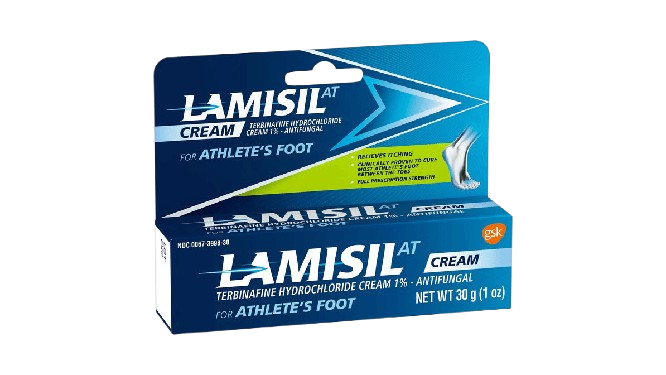
Lamisil AT treats fungal skin infections like athlete’s foot and ringworm, relieving itching, redness, and irritation effectively.
Prices start from £7.00 Prices and product information
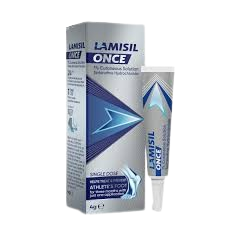
Lamisil Once treats fungal skin infections with a single application, relieving itching and redness effectively.
Prices start from £10.99 Prices and product information
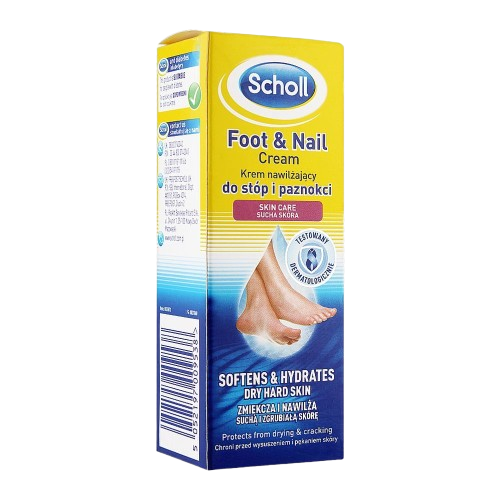
Scholl Cream is an antifungal treatment for skin infections, helping to relieve itching, redness, and irritation.
Prices start from £5.99 Prices and product informationAthlete’s foot is a common fungal skin infection that usually affects the spaces between the toes. It causes itching, redness, burning, and sometimes cracked or peeling skin. Though not serious, it can be uncomfortable and contagious. With proper treatment, such as antifungal creams and good foot hygiene, athlete’s foot can be effectively managed and prevented from returning.
What is Athlete’s Foot?
Athlete’s Foot, also known as tinea pedis, is a common fungal infection that affects the skin of the feet. It causes itching, burning, redness, scaling, and sometimes blisters, usually between the toes or on the soles of the feet. It is contagious and can spread through direct contact or contaminated surfaces.
What causes Athlete’s Foot?
Athlete’s Foot is caused by dermatophyte fungi that thrive in warm, moist environments. Common causes include wearing tight or non-breathable footwear, excessive sweating, walking barefoot in public places like locker rooms or swimming pools, and sharing contaminated socks or shoes.
How does Athlete’s Foot work?
The infection occurs when the fungi invade the outer layer of the skin. The fungi feed on keratin in the skin, causing inflammation, itching, peeling, and sometimes cracking. The infection can spread to other parts of the body or to other people if not treated properly.
How is Athlete’s Foot diagnosed?
Athlete’s Foot is diagnosed through physical examination of the affected area, patient history, and in some cases, laboratory tests like skin scrapings or fungal cultures to confirm the presence of dermatophytes.
What are the treatments for Athlete’s Foot?
Treatment usually involves topical antifungal creams, ointments, or sprays applied to the affected area. Severe or persistent cases may require oral antifungal medications. Keeping the feet clean, dry, and wearing breathable footwear also helps in recovery.
Are there alternative treatments for Athlete’s Foot?
Alternative treatments may include soaking the feet in saltwater, applying natural antifungal remedies like tea tree oil, garlic, or apple cider vinegar, and maintaining good foot hygiene. These can support recovery but should complement medical treatment when necessary.
What are the side effects of Athlete’s Foot?
Athlete’s Foot can cause itching, burning, redness, peeling, cracking, and discomfort while walking. If left untreated, it may lead to secondary bacterial infections or spread to toenails, hands, or other parts of the body.
Why does Athlete’s Foot happen?
Athlete’s Foot happens due to fungal overgrowth in warm, moist areas of the feet. Factors like sweaty socks, tight shoes, poor foot hygiene, or walking barefoot in public spaces increase the risk of developing the infection.