Nytol is an over-the-counter sleep aid that helps relieve occasional sleeplessness. It contains diphenhydramine, which promotes relaxation and supports faster, more restful sleep. Ideal for short-term use to improve sleep quality.
Prices start from £6.50 Prices and product information
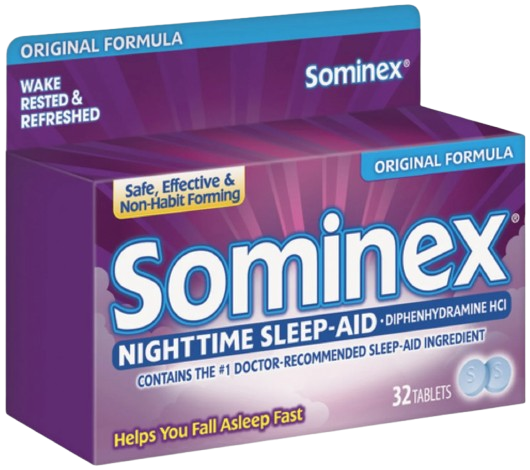
Sominex is an over-the-counter sleep aid containing diphenhydramine, which helps relieve occasional sleeplessness by promoting relaxation and faster sleep onset. It is intended for short-term use to support a restful night’s sleep.
Prices start from £5.99 Prices and product information
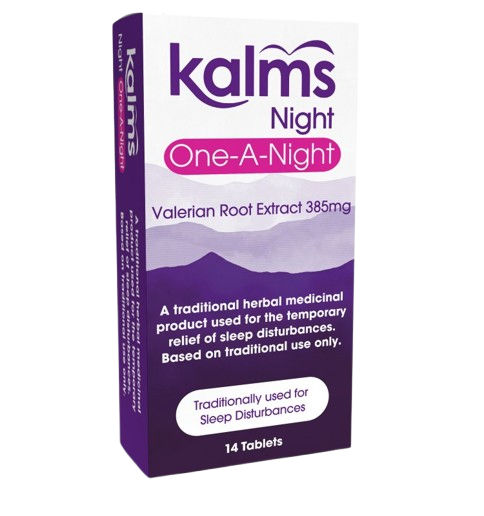
Kalms Night is a natural herbal supplement designed to help reduce stress and promote a calm, restful night’s sleep. It contains valerian root and other soothing ingredients to support relaxation without causing morning drowsiness.
Prices start from £5.99 Prices and product informationInsomnia is a sleep disorder marked by difficulty falling asleep, staying asleep, or waking too early. It can be short-term or chronic and often leads to daytime fatigue, poor concentration, and mood changes. Causes include stress, medical conditions, and poor sleep habits. Effective treatments include behavioral therapy, lifestyle changes, and, when needed, short-term medication.
What is Insomnia?
Insomnia is a common sleep disorder characterized by difficulty falling asleep, staying asleep, or waking up too early and not being able to return to sleep. It can lead to daytime fatigue, irritability, reduced concentration, and overall decreased quality of life. Insomnia can be short-term (acute) or long-term (chronic).
What causes Insomnia?
Insomnia can be caused by various factors including stress, anxiety, depression, lifestyle habits, medical conditions, certain medications, and environmental factors like noise or light. Poor sleep routines and excessive use of electronic devices before bedtime can also contribute to insomnia.
How does Insomnia work?
Insomnia occurs when the normal sleep-wake cycle is disrupted. Stress hormones, irregular circadian rhythms, or overactive brain activity can interfere with the ability to initiate or maintain sleep, leading to insufficient restorative sleep.
How is Insomnia diagnosed?
Insomnia is diagnosed through a detailed medical history, discussion of sleep habits, and symptom evaluation. Sleep diaries or questionnaires may be used, and in some cases, sleep studies (polysomnography) are conducted to rule out other sleep disorders.
What are the treatments for Insomnia?
Treatment focuses on improving sleep quality and addressing underlying causes. This may include cognitive behavioral therapy for insomnia (CBT-I), medications such as sleep aids for short-term use, establishing healthy sleep routines, and lifestyle changes like limiting caffeine and screen time before bed.
Are there alternative treatments for Insomnia?
Alternative treatments aim to promote relaxation and better sleep. These may include meditation, yoga, herbal remedies like valerian root or chamomile, aromatherapy, warm baths before bed, and maintaining a calming bedtime routine.
What are the side effects of Insomnia?
Insomnia can cause daytime sleepiness, irritability, difficulty concentrating, memory problems, reduced productivity, mood swings, and increased risk of accidents. Chronic insomnia may contribute to long-term health issues such as hypertension, diabetes, and weakened immunity.
Why does Insomnia happen?
Insomnia happens due to disruptions in the body’s natural sleep-wake cycle, mental health conditions, stressful life events, unhealthy sleep habits, or underlying medical problems. Genetics and aging can also increase susceptibility to insomnia.