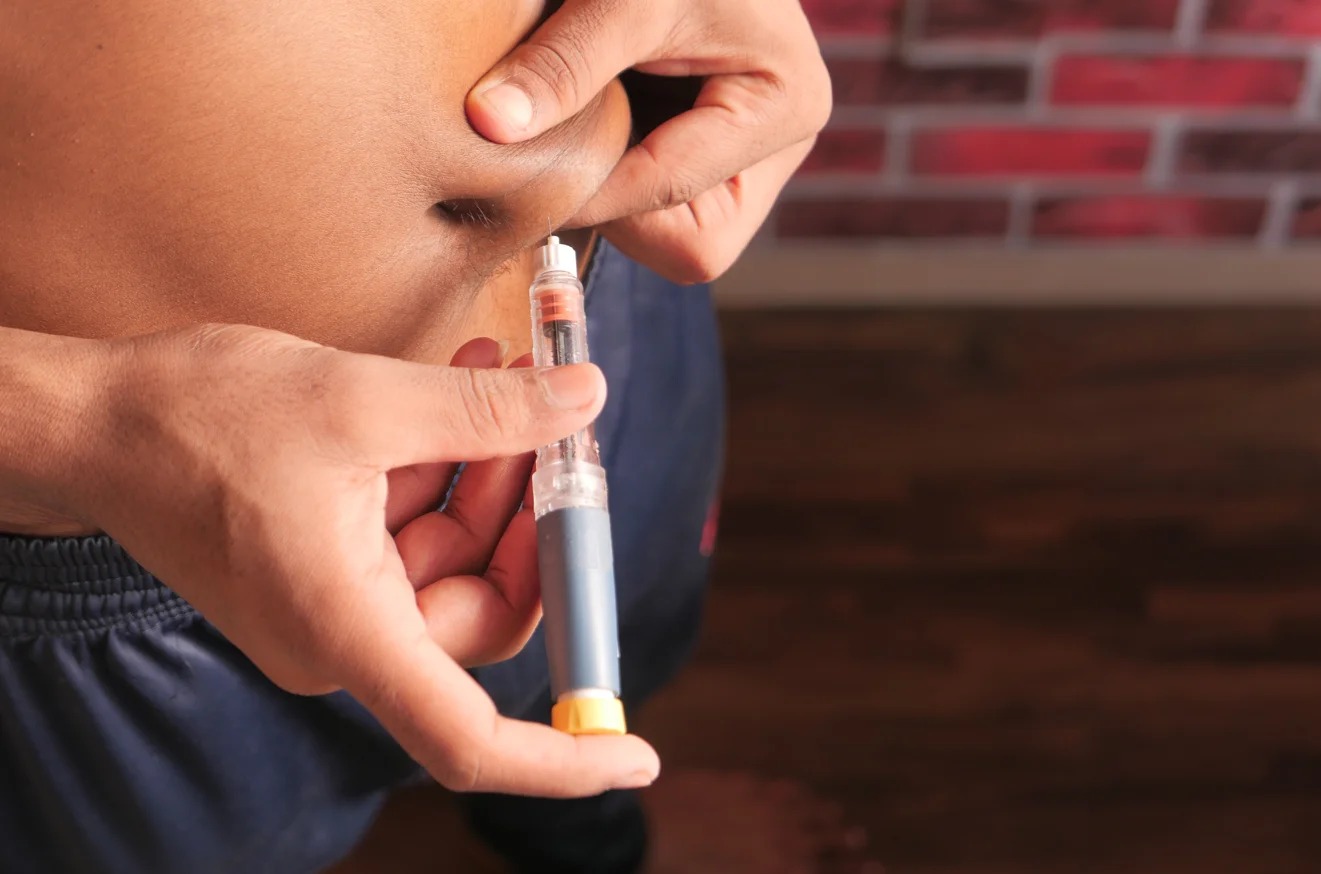
If you've just started Mounjaro or are considering it, the question on your mind is probably: how long does Mounjaro take to work? The honest answer is that it depends on what "working" means to you — appetite suppression, blood sugar control, or visible weight loss all show up on different timelines. This guide breaks down exactly what to expect, week by week, so you know what's normal and when to check in with your doctor.
The Short Answer
Mounjaro (tirzepatide) starts working in your body within hours of your first injection, but most people don't notice meaningful changes in appetite, blood sugar, or weight for several weeks. Appetite changes are usually the first thing people notice — often within the first few days to three weeks — followed by measurable blood sugar improvement, and then gradual weight loss over the following months.
How Mounjaro Works in the Body
Mounjaro's active ingredient, tirzepatide, is a dual GIP/GLP-1 receptor agonist. It activates two hormone pathways at once, which:
- Increases insulin release when blood sugar is high
- Lowers glucagon, a hormone that raises blood sugar
- Slows down how quickly food leaves your stomach
- Reduces appetite and hunger signals
Tirzepatide has a half-life of roughly five days and typically reaches peak levels in your bloodstream within 8 to 72 hours of an injection, which is why it's dosed just once a week.
Mounjaro Timeline: What to Expect Week by Week
Hours after the first dose Mounjaro begins acting almost immediately at a cellular level, though you likely won't feel any different yet.
Week 1–3: Appetite changes begin Many people notice smaller portion sizes, reduced snacking, or delayed hunger within the first few days to three weeks. Mild nausea or a feeling of fullness is common as your gut adjusts to the medication — this typically fades as your body adapts.
Week 4: First measurable changes By around four weeks, blood sugar (A1C) often starts to drop, and some people begin noticing early weight loss — commonly in the range of 1–3% of body weight. Weekly weight loss during this early phase tends to average around 1% per week for many patients.
Week 4–8: Weight loss becomes noticeable Visible weight loss usually becomes apparent between weeks four and eight, especially once you move up from the starting 2.5 mg dose to 5 mg or higher. This is also when appetite suppression tends to feel more consistent.
Week 8–12: Blood sugar targets improve Clinical data shows many patients reach an A1C of 7% or lower by around 8 weeks, and 6.5% or lower by around 12 weeks, though this varies by starting point and dose.
Month 3–6: Steady, compounding progress Weight loss and metabolic improvements continue to build during this period. Some patients see substantial reductions in body weight by the six-month mark, particularly at higher maintenance doses.
Month 6–12+: Full effects and plateau The greatest overall changes in weight typically occur between 6 and 12 months of consistent use, with clinical trials measuring peak results around 72 weeks. Many doctors recommend staying on Mounjaro for at least a year to realize its full benefit before considering a maintenance plan.
Why Does Mounjaro Take Time to Show Full Results?
Mounjaro is intentionally introduced through a gradual dose titration schedule — typically starting at 2.5 mg weekly for about four weeks before increasing. This slow ramp-up is designed to reduce gastrointestinal side effects like nausea and diarrhea, but it also means the medication's full appetite- and weight-related effects build up gradually rather than all at once.
Factors That Affect How Fast Mounjaro Works for You
Several individual factors influence your personal timeline:
- Starting dose and titration speed — higher maintenance doses (10 mg or 15 mg) are generally associated with greater weight loss, but you'll only reach them after working up from a lower starting dose.
- Body weight and metabolism — people with higher starting body weight sometimes see faster initial percentage changes.
- Diet and exercise habits — pairing Mounjaro with consistent nutrition and activity tends to accelerate visible results.
- Individual biology — response to GIP/GLP-1 medications varies from person to person, and some people are simply slower or faster responders.
What If You're Not Seeing Results?
It's common to feel discouraged if you don't see rapid changes in the first few weeks. Keep in mind:
- Weight can fluctuate day to day, so it's best to weigh yourself every two to four weeks rather than daily.
- Full effects can take four to six months to appear, according to clinical guidance.
- If you've been on a stable dose for three months with no noticeable change, talk to your doctor — a dose adjustment may be appropriate.
Mounjaro for Diabetes vs. Weight Loss: Different Timelines
Mounjaro is FDA-approved for improving blood sugar control in type 2 diabetes; its use for weight loss is considered off-label (the same active ingredient, tirzepatide, is sold specifically for weight management under the brand name Zepbound). Blood sugar improvements are often measurable sooner — within days to a couple of weeks for some patients — while meaningful weight loss generally takes longer to become noticeable.
Frequently Asked Questions
How long does Mounjaro take to work for weight loss? Most people notice initial weight loss within two to four weeks, with more significant, visible results building over three to six months.
How long does Mounjaro take to work for blood sugar? Blood sugar improvements can begin within one to two weeks, with A1C reductions typically becoming clear by around 8 to 12 weeks.
Does Mounjaro work immediately after the first injection? Mounjaro begins acting in your body within hours, but noticeable effects on appetite, blood sugar, or weight usually take days to weeks to appear.
How long until Mounjaro reaches full effectiveness? Full effects generally take 4 to 6 months, with peak results in clinical trials measured around 72 weeks of consistent use.
Is it normal not to lose weight in the first few weeks? Yes. The first month is largely an adjustment period as your body responds to the starting dose. Weight loss commonly accelerates once you move to a higher maintenance dose.