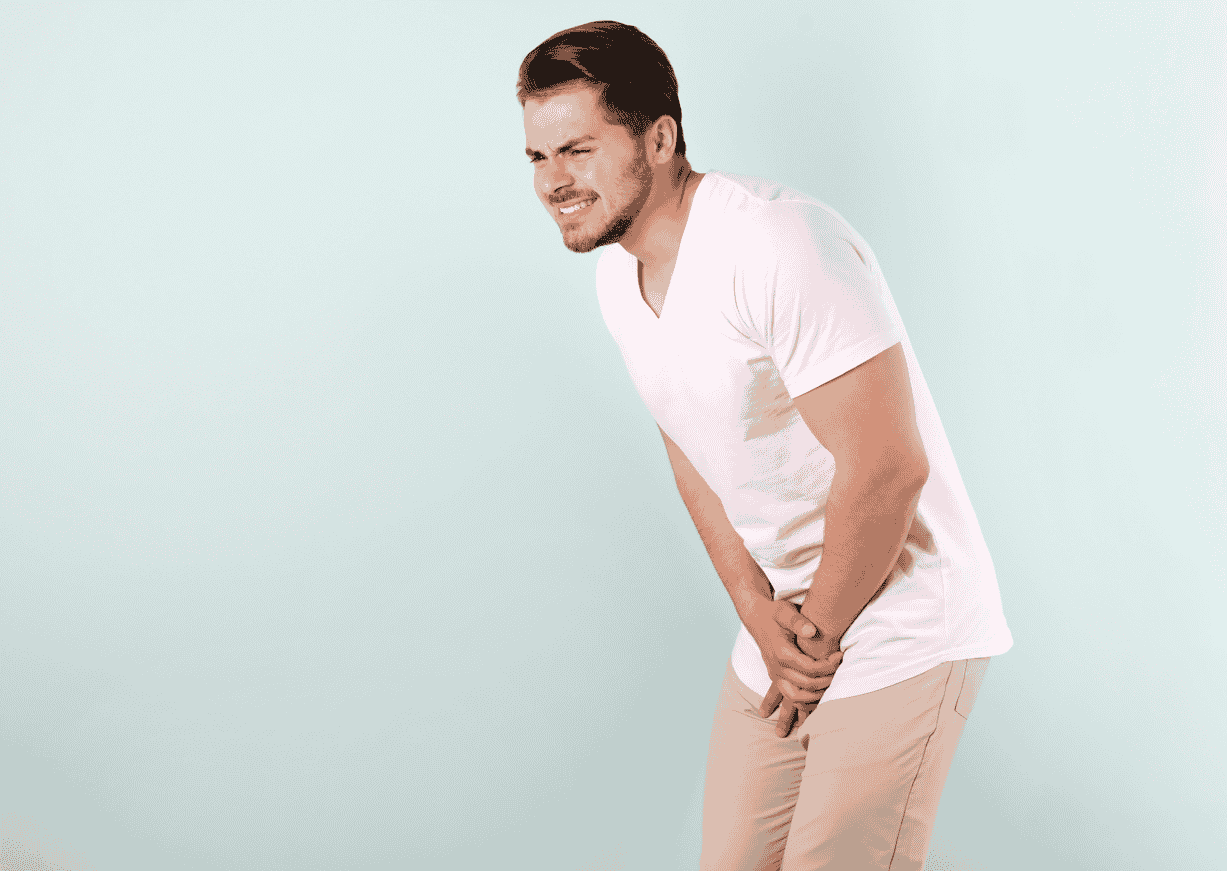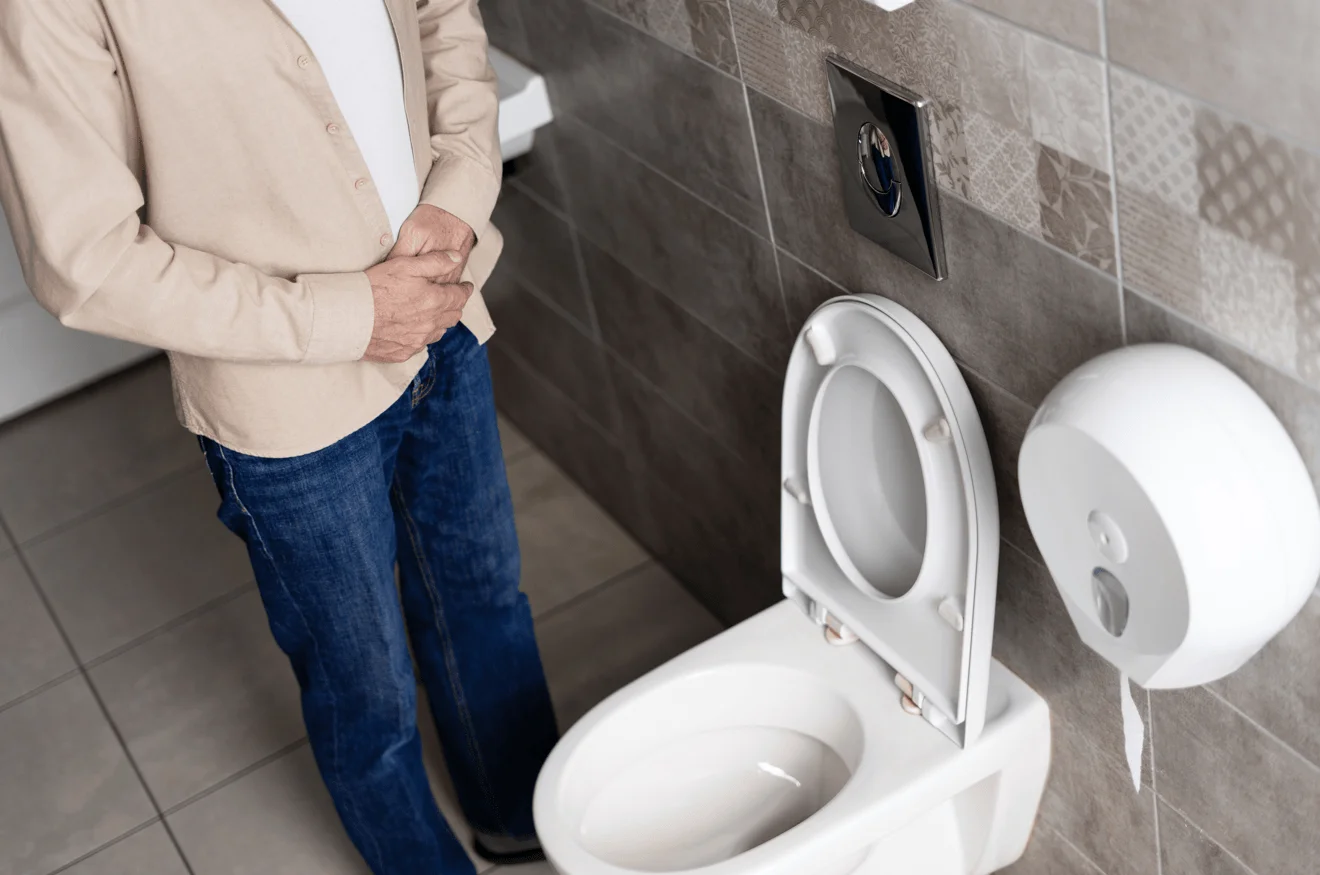
If you have recently started Mounjaro and suddenly find yourself making more trips to the bathroom, you may wonder: does Mounjaro make you pee more?
It can happen. But frequent urination is not listed among the most common direct side effects of Mounjaro (tirzepatide). The more common side effects include nausea, diarrhoea, decreased appetite, vomiting, constipation, indigestion and stomach pain. (Mounjaro)
So, what is going on?
Sometimes the answer is not the injection itself. It may be related to blood sugar, your fluid intake, dehydration, or another condition happening at the same time.
Does Mounjaro make you pee more?
Mounjaro does not generally act as a diuretic, meaning it isn't designed to make your kidneys produce more urine.
Still, some people notice changes in urination after starting treatment.
There are a few possible reasons.
Mounjaro is used to improve blood sugar control in people with type 2 diabetes. As blood glucose changes, urination patterns can change too. High blood sugar itself can cause frequent urination because the kidneys try to remove excess glucose through urine.
Then there is the simple explanation.
You may be drinking more water.
Mounjaro can cause nausea, vomiting or diarrhoea, particularly during dose increases. These effects can lead to fluid loss, so staying hydrated becomes important.
Why might you be peeing more on Mounjaro?
Imagine you start Mounjaro on a Monday. A few days later, you notice you're visiting the bathroom more often.
Your first thought might be, “It must be the injection.”
Not necessarily.
Changes in blood sugar
High blood sugar can cause increased thirst and frequent urination. This happens because excess glucose draws water into the urine.
For someone with diabetes, changes in urination can therefore be connected to glucose levels rather than being a direct effect of tirzepatide.
As Mounjaro improves glucose control, these symptoms may change as well.
Drinking more fluids
Some people consciously increase their water intake after starting Mounjaro.
That makes sense.
If you're experiencing nausea, vomiting or diarrhoea, replacing lost fluids is important. The manufacturer warns that these gastrointestinal effects can cause dehydration and, in some cases, kidney problems.
More water in means more urine out. Simple.
Your diet may have changed
Mounjaro can reduce appetite.
That may lead to changes in what and how much you eat. You might also be drinking different beverages, eating fewer high-sodium foods, or changing your overall routine.
Those changes can influence how often you urinate.
Blood sugar may still be too high
This one deserves attention.
If frequent urination comes with excessive thirst, tiredness, blurred vision or unexplained weight changes, high blood sugar could be contributing.
Don't automatically blame Mounjaro.
If you have diabetes, checking your glucose and discussing persistent symptoms with your healthcare professional can help identify the real cause.
Is frequent urination a side effect of Mounjaro?
Frequent urination is not one of the most common side effects listed for Mounjaro.
The FDA prescribing information highlights gastrointestinal effects such as nausea, diarrhoea and vomiting among the more common adverse reactions. It also warns about dehydration and kidney problems associated with fluid loss.
This distinction matters.
You can experience frequent urination while taking Mounjaro without Mounjaro necessarily being the direct cause.
Other possibilities include:
-
Increased water or caffeine intake
-
High blood sugar
-
Urinary tract infection
-
Diuretic medicines
-
Pregnancy
-
Kidney or bladder problems
-
Other medical conditions
Sometimes it is something completely unrelated to your injection.
Can Mounjaro cause dehydration?
Yes, indirectly.
Mounjaro can cause nausea, vomiting and diarrhoea. These symptoms may cause your body to lose fluids. The FDA specifically warns about acute kidney injury related to volume depletion, particularly when gastrointestinal side effects result in dehydration.
This creates an interesting situation.
You might be urinating frequently and still become dehydrated.
That sounds strange, but it can happen when fluid intake and fluid losses aren't balanced.
Signs of dehydration can include:
-
Dry mouth
-
Strong thirst
-
Dizziness or light-headedness
-
Weakness
-
Dark-coloured urine
-
Reduced urination later on
If vomiting or diarrhoea continues, don't simply wait it out. Speak with your healthcare provider.
What if you're peeing more at night?
Getting up once occasionally isn't necessarily concerning.
But waking repeatedly to urinate, especially if this is new for you, deserves some attention.
Night-time urination can have many causes. High blood sugar is one possibility. Drinking a lot of fluid shortly before bed is another.
Caffeine can also make the problem more noticeable.
If you recently started Mounjaro and the change is persistent, tell your prescriber. They can look at your blood glucose, medications, hydration and other possible causes rather than assuming the injection is responsible.
When should you speak to a doctor?
A little extra bathroom time isn't automatically an emergency.
But frequent urination should be checked if it is persistent, worsening or accompanied by other symptoms.
Contact your healthcare provider if you notice:
-
Very frequent or sudden urination
-
Extreme thirst
-
Burning or pain when urinating
-
Fever
-
Blood in your urine
-
Severe weakness or dizziness
-
Persistent vomiting or diarrhoea
-
Very dark urine
-
Significant changes in blood glucose
Mounjaro's prescribing information recommends attention to symptoms that can lead to dehydration and kidney problems, particularly during treatment initiation and dose escalation. (FDA Access Data)
Should you stop Mounjaro if you pee more?
Usually, you shouldn't stop a prescription medicine simply because you have noticed a new symptom without first discussing it with your healthcare professional.
The important thing is figuring out why you're urinating more.
If you're also having severe or persistent gastrointestinal symptoms, that is different. Mounjaro's manufacturer advises contacting a healthcare provider when nausea, vomiting or diarrhoea does not go away because of the risk of dehydration.
Don't ignore significant symptoms.
How can you stay hydrated while taking Mounjaro?
Drink fluids regularly rather than waiting until you're extremely thirsty.
Water is usually a straightforward choice.
If you're dealing with vomiting or diarrhoea, you may need more careful fluid replacement. Your healthcare professional can advise you about the best approach for your situation.
Also pay attention to your urine. Very dark urine can be a sign that you aren't getting enough fluids.
And don't deliberately restrict water just because you're tired of going to the bathroom. That could make dehydration worse.
FAQs
Does Mounjaro make you pee more?
Mounjaro is not considered a diuretic, and frequent urination is not among its most common listed side effects. However, people taking it may notice increased urination for other reasons, including changes in blood sugar, increased fluid intake or another medical condition.
Does Mounjaro make you pee more at night?
It can coincide with increased night-time urination, but Mounjaro is not generally considered a direct cause. High blood sugar, drinking fluids before bed and other conditions can also cause nocturia.
Can Mounjaro cause dehydration?
Yes, indirectly. Nausea, vomiting and diarrhoea can cause fluid loss and dehydration. In some cases, severe dehydration can contribute to kidney problems.
Does frequent urination mean Mounjaro is working?
No. Frequent urination should not be used as a sign that Mounjaro is working.
Mounjaro's effects should be assessed through appropriate measures such as blood glucose control and, when prescribed for weight management, changes in weight and overall health.
Should I drink more water while taking Mounjaro?
Maintaining adequate hydration is important, particularly if you have vomiting or diarrhoea. The manufacturer specifically advises drinking fluids to reduce the risk of dehydration.
The bottom line
So, does Mounjaro make you pee more?
Not usually as a direct, common side effect.
If you're suddenly visiting the bathroom much more often, look beyond the injection itself. Changes in blood sugar, drinking more fluids, caffeine, urinary problems and other health conditions may all play a role.
And if frequent urination comes with intense thirst, dizziness, painful urination, persistent vomiting or diarrhoea, or unusual blood sugar readings, get medical advice.
Mounjaro can be an effective medicine, but every new symptom doesn't automatically belong to the medication. Sometimes your body is telling you something else.
This article is for general information and does not replace advice from a qualified healthcare professional.